Search London transport guides
Filter guides by subject and trip type. Search runs in your browser and sends no query to a server.
 AI-generated illustration
Independent of TfL
Choose a category, check the official source, and prepare the journey before leaving the hotel.
 Essentials4Cards, zones, hours and concessions before the first journey.
 Network3Lines, interchanges and the differences between Tube, Elizabeth, Overground and DLR.
 Airports4How to reach London from each airport and what to check before booking.
 Where to stay6Real neighbourhoods, hotels with official sites, and the cost of staying farther out.
 Explore3Area walks with reference stations, without invented routes.
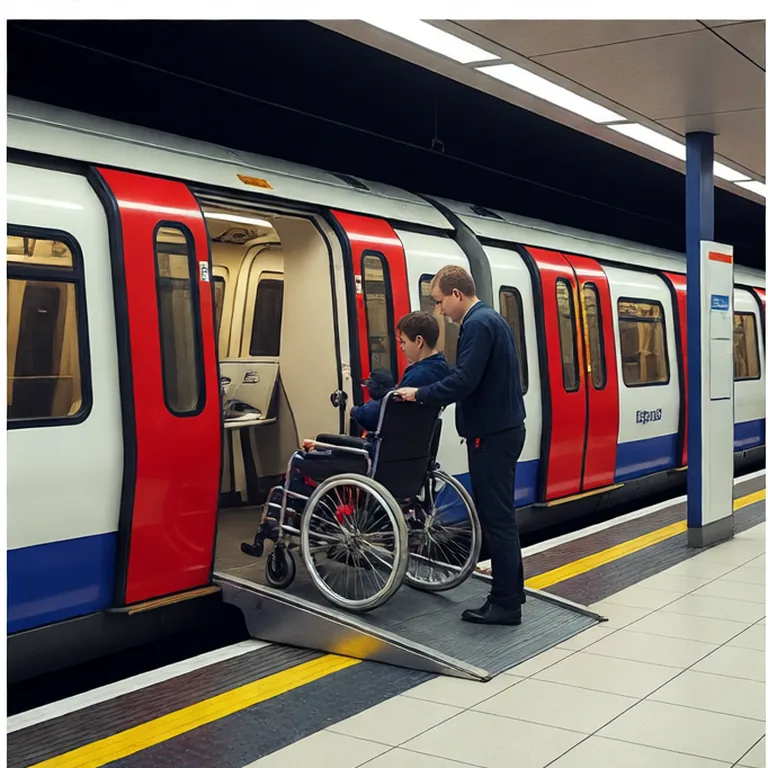 Accessibility2Step-free stations, luggage and decisions best settled before departure.
 Planning3Official maps, weekend closures and a three-day structure you can revise.
Filter, compare a budget or prepare a list. No tool books travel or promises a journey time.
Filter guides by subject and trip type. Search runs in your browser and sends no query to a server.
Compare an outer hotel room with a central room, then subtract extra daily travel. You enter current quotes in pounds.
Prepare documents, cards, contactless, luggage and accessibility notes. Changes stay in this browser only.
Prepare origin, destination and preferences, then open the official TfL journey planner. This page calculates no routes or times.
 AI-generated illustration
Heathrow has three different rail choices into London. The Piccadilly line is part of the Underground, the Elizabeth line is a cross-city railway, and Heathrow Express is a dedicated service to Paddington. Sharing an airport does not mean sharing a fare, route or ticket conditions.
 AI-generated illustration
Gatwick does not have a London Underground station. Its railway connection is National Rail: Southern and Gatwick Express serve Victoria, while Thameslink offers other central stations. Choose the arrival that reduces your onward journey instead of looking for a supposed Tube line extending all the way to the airport.
 AI-generated illustration
Stansted is linked to London by railway, not by an extension of the Underground. Stansted Express reaches Liverpool Street and offers an interchange at Tottenham Hale. From those stations you continue on the urban network according to your accommodation; choosing the right connection can prevent a detour with luggage.
 AI-generated illustration
Luton and London City are different airports with different rail connections to central London. Luton combines the DART shuttle with National Rail, while London City has a DLR station. Check the airport name and code on your booking before choosing accommodation, buying a ticket or selecting your departure station.
 AI-generated illustration
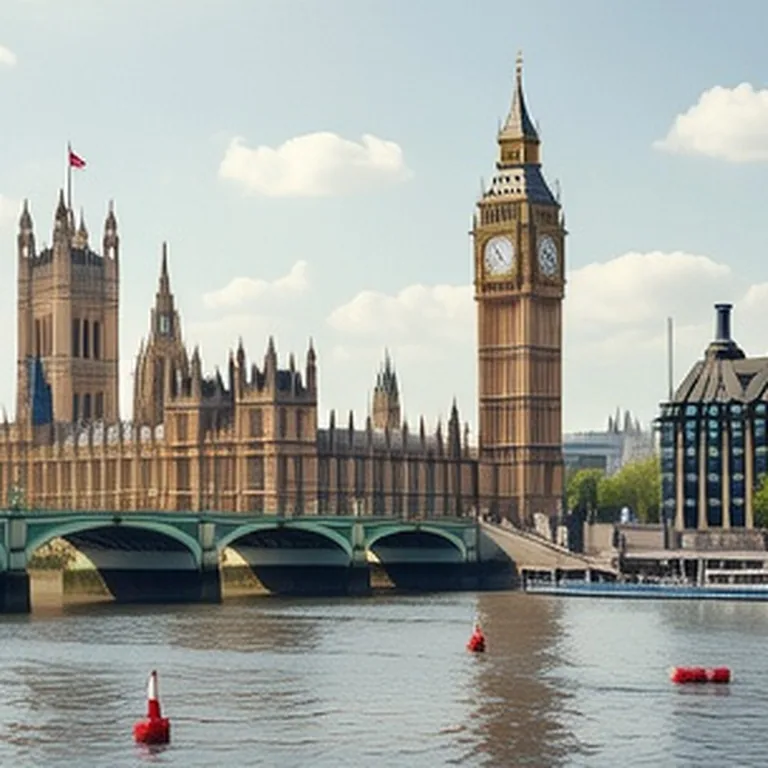
Westminster and South Bank work better as a riverside walking route than as a sequence of Tube journeys. Start at Westminster, explore the area around Parliament and cross Westminster Bridge to the south bank. The station provides access to the walk rather than replacing the walking experience itself.
 AI-generated illustration
South Kensington groups major museums close together, but proximity does not mean you can fully visit them in one morning. The Natural History Museum, V&A South Kensington and Science Museum offer different experiences. Choose one main visit and keep another optional, particularly with children, mobility needs or a timed admission booking.
 AI-generated illustration
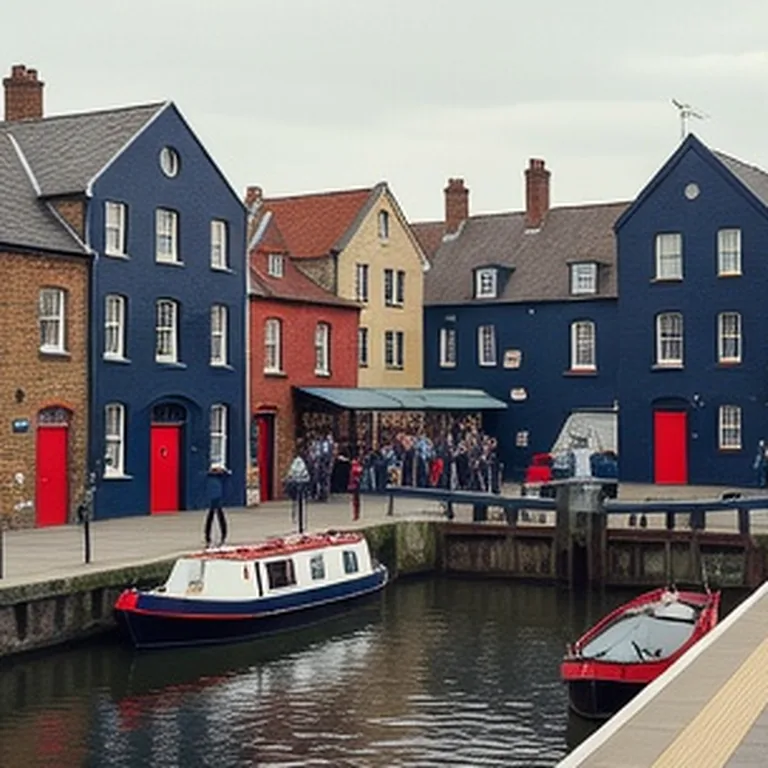
Camden and Greenwich are not neighbouring districts or consecutive parts of one continuous walk. Camden combines markets and a canal north of the centre; Greenwich brings maritime heritage, parkland and museums to the southeast. Visit on separate days or link them by transport, but do not let a simplified tourist map hide the transfer.
 AI-generated illustration
Staying in Stratford: hotels and honest transport planning. Premier Inn London Stratford.
 AI-generated illustration
Staying in Wembley: hotels and honest transport planning. Travelodge London Wembley High Road.
 AI-generated illustration
Staying in Ealing: hotels and honest transport planning. Travelodge London Ealing.
 AI-generated illustration
Staying in Walthamstow: hotels and honest transport planning. Travelodge London Walthamstow.
 AI-generated illustration
Staying in Acton: hotels and honest transport planning. Travelodge London Acton.
 AI-generated illustration
Staying in Morden: hotels and honest transport planning. Travelodge London Wimbledon Morden.
 AI-generated illustration
Official London maps: choosing the right diagram. Practical planning advice with official sources for your trip.
 AI-generated illustration
Weekend engineering work: planning a usable alternative. Practical planning advice with official sources for your trip.
 AI-generated illustration
London in three days: a flexible neighbourhood itinerary. Practical planning advice with official sources for your trip.
 AI-generated illustration
Contactless pays for journeys with a compatible bank card or device, whereas Oyster uses credit that you load in advance.
 AI-generated illustration
Fare zones help calculate rail travel costs around London, but they are not a substitute for checking a specific journey.
 AI-generated illustration
There is no single opening and closing time that applies to every station on every day.
 AI-generated illustration
London's child fares depend on age, service and the document used, not simply on travelling alongside an adult.
 AI-generated illustration
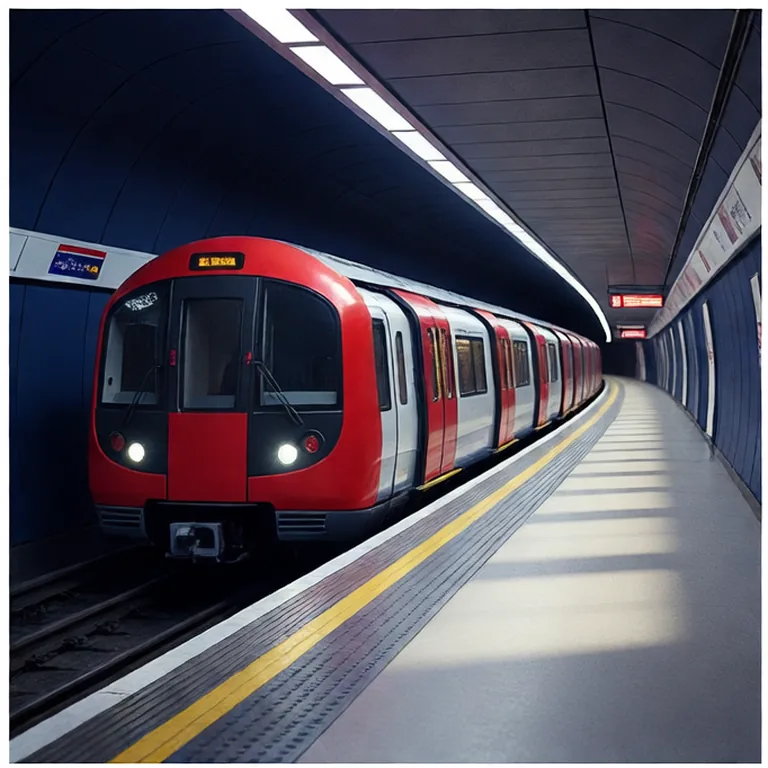
London Underground has eleven lines, but the official map also includes railways that are not Tube lines.
 AI-generated illustration
An interchange is part of the journey, not an instant between two trains.
 AI-generated illustration
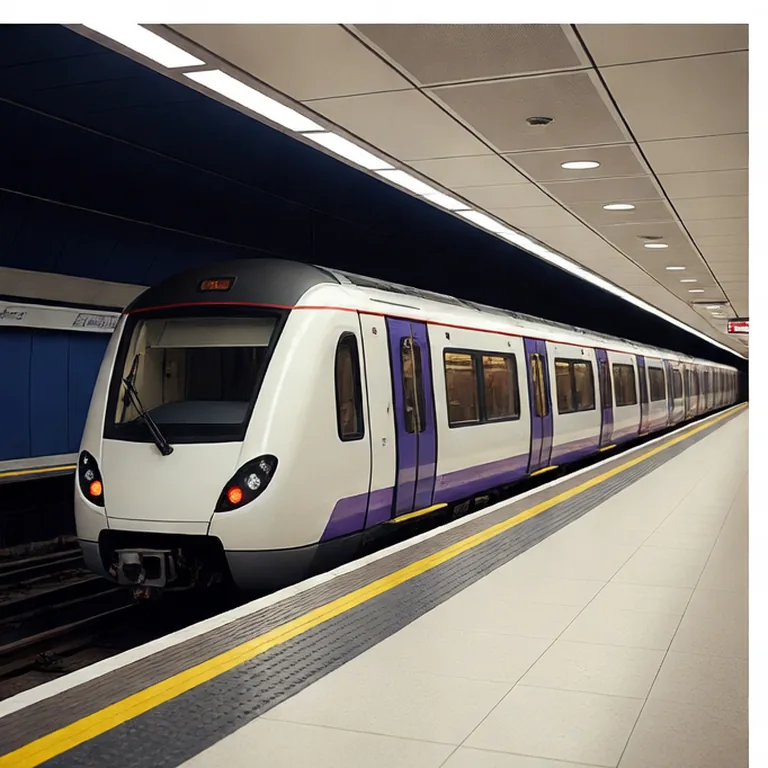
London's rail map combines Underground with other networks that can provide a better answer for many journeys.
 AI-generated illustration
A step-free journey requires checking the entire route, not simply finding a lift at the starting station.
 AI-generated illustration
The best route with luggage is not always the one with the fewest minutes on a train.