The best route with luggage is not always the one with the fewest minutes on a train. A large suitcase changes how stairs, doors and interchanges feel. Before leaving the airport or hotel, compare station access and the number of changes, then decide what you can safely carry without relying on improvised assistance.
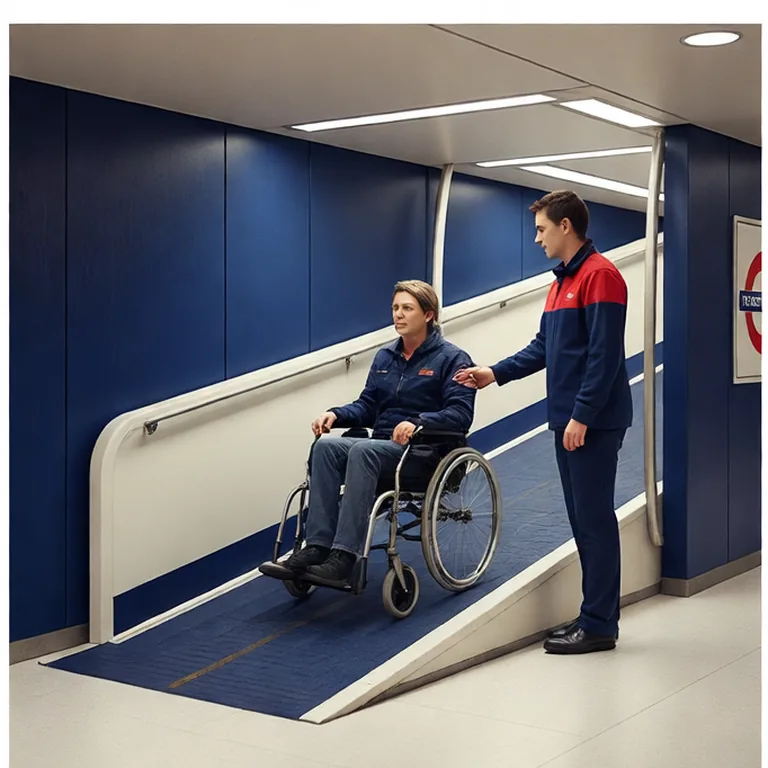
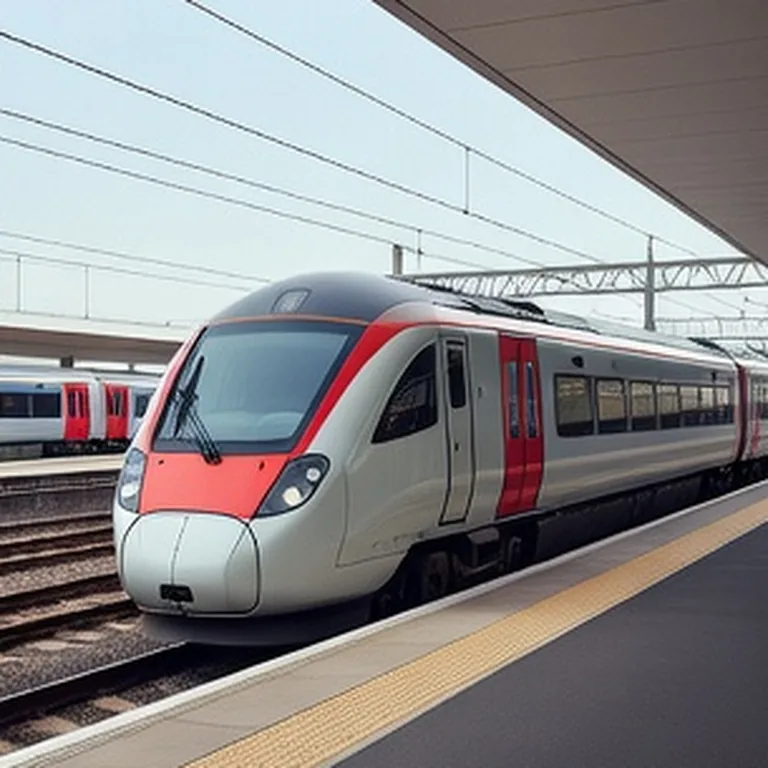
Lifts make travel easier, but they are not available at every station and do not guarantee level boarding. Check the accessible route and the gap between platform and train. Avoid planning a tight connection on the assumption that a working lift or an employee to carry your possessions upstairs will always be available.
With a buggy, secure the child and apply the brake whenever stationary. TfL recommends using lifts where available, taking extra care on escalators and not rushing towards closing doors. Luggage and buggies should not block gangways or stop other passengers boarding and leaving, even when the train is crowded or you are unfamiliar with the station.
On buses, wheelchair users have priority in the designated wheelchair space. A buggy may need folding or repositioning so the space can be shared safely. A low-floor vehicle does not mean unlimited room: the driver must consider whether the available space allows passengers to board without creating a safety risk for anyone already travelling.
Understand the route
Organise your bags before reaching the gate. Keep your payment medium accessible and separate from other cards while protecting passports and valuables. Use a wide gate where appropriate and never abandon a bag while searching for directions. On the platform, stay behind the safety line, control wheeled luggage and leave room for passengers to get off. If a suitcase falls onto the tracks, alert staff: never climb down to retrieve it or try to reach it from the platform edge, however important its contents may seem.
- Check the exact stations and direction with TfL before leaving.
Choose a useful connection
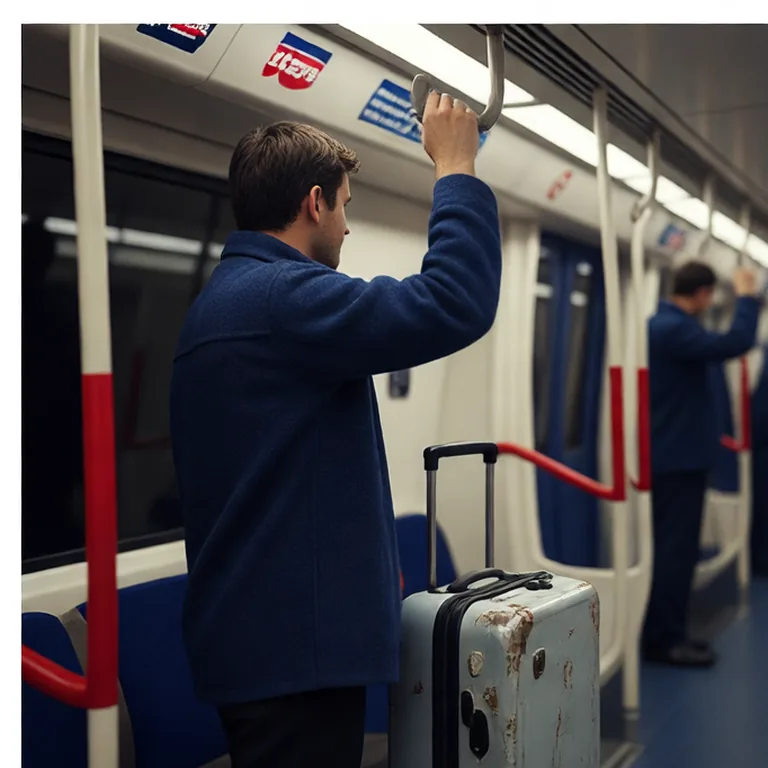
On board, place belongings where they do not block doors, gangways or priority spaces. Keep them in sight and prevent wheels moving as the train accelerates. During interchanges, step aside before consulting maps rather than obstructing stairs or narrow corridors. When travelling in a group, agree what to do if someone cannot board the same train. Waiting and communicating is safer than holding doors or pushing at the last moment to keep everyone together, particularly when adults are also supervising children and handling several pieces of luggage.
- Check the exact stations and direction with TfL before leaving.
Check and travel
For an immediate emergency, call 999 and use help points or alarms as appropriate to the situation. TfL directs non-emergency railway incidents to British Transport Police, including text contact on 61016; this does not replace the emergency number. For lost belongings, follow the official lost-property process and describe the journey accurately. Keep your phone charged, especially if it also serves as your payment device. On a late return, recheck closures and lift status: a comfortable outward route may need a different return plan if accessibility or services change during the day.
- Check the exact stations and direction with TfL before leaving.