A step-free journey requires checking the entire route, not simply finding a lift at the starting station. Street access, line changes and boarding each train all matter. A slightly longer alternative can be the better choice if it removes a difficult interchange or a physical barrier that makes the shortest route unusable.
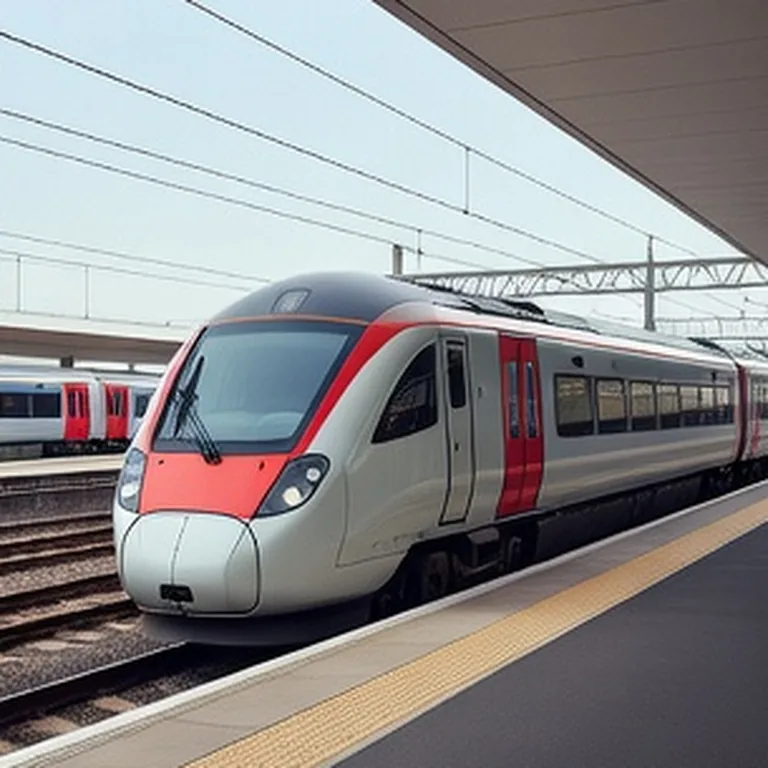
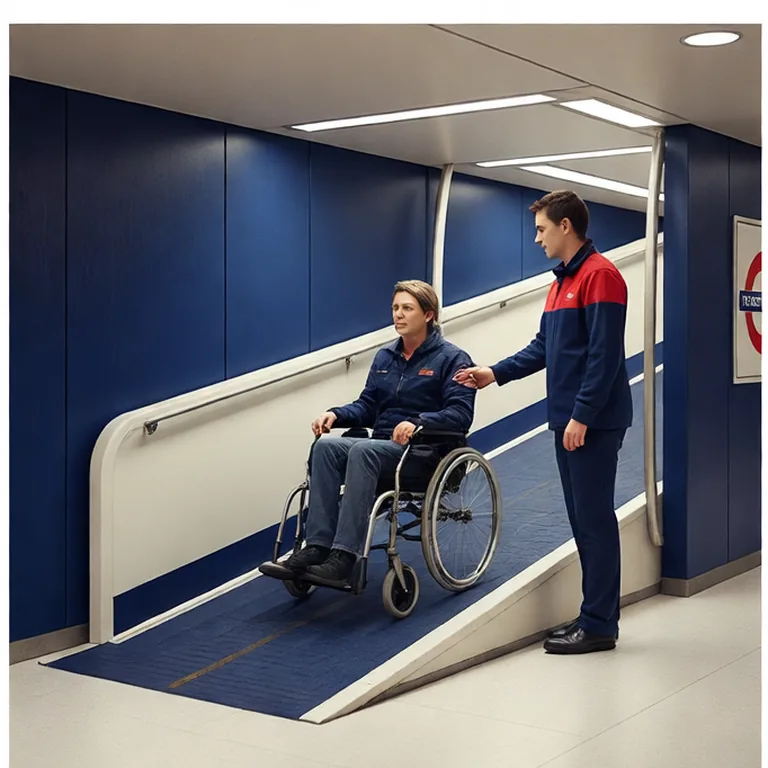
TfL distinguishes street-to-platform access from street-to-train access. The former can leave a significant boarding gap or step requiring a ramp. The latter allows most customers to board with a smaller remaining gap, although mini ramps are available at some locations to bridge the space that still remains between platform and train.
On the map, a white wheelchair symbol indicates street-to-platform access and a blue symbol street-to-train access. Consult the detailed guide too, because arrangements can differ by line, direction or platform. A symbol beside a station does not guarantee that every internal connection is usable for every passenger or mobility aid.
Not all Underground stations are step-free. TfL identifies step-free access at every DLR station and street-to-platform access at all 41 Elizabeth line stations. Do not turn that coverage into a promise of universal level boarding, or extend it to every Overground station simply because the networks appear together on the same London map.
Understand the route
Select your accessibility requirements in the official planner and examine the origin, destination and every interchange. Confirm whether a ramp is required, where to board and what help staff can provide. Some platforms have raised sections or specific boarding points that reduce the step. Do not assume every door offers the same access. Explain your needs to staff with enough time and follow the platform signs when positioning yourself; the actual station and train arrangements matter more than a broad description saying the service is accessible.
- Check the exact stations and direction with TfL before leaving.
Choose a useful connection
Check lift status before leaving and again before returning. A route available in the morning may become unusable after a breakdown. TfL describes help with planning an alternative when a lift fails and, where no reasonable alternative exists under its conditions, arranging an accessible taxi. This is not a promise of a taxi for any personal route preference. Speak to station staff to agree a workable solution, and do not attempt stairs if they are not safe for you simply because the original route is no longer available.
- Check the exact stations and direction with TfL before leaving.
Check and travel
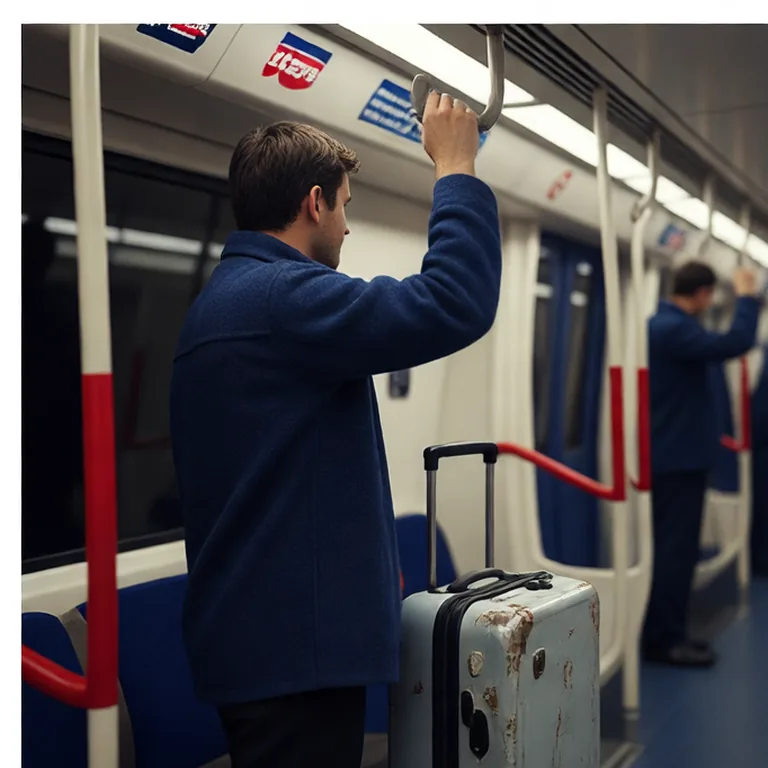
Access also involves rest, orientation and space. Travel outside the busiest periods when possible and allow enough time to use lifts without rushing. London buses are low-floor and provide a designated space for one wheelchair user, but availability and boarding conditions must be considered at the time. Similar route planning helps with buggies and suitcases without unnecessarily occupying priority areas. Save a viable alternative and essential destination details in case mobile connectivity fails during the trip, and remember that a step-free station entrance is only one part of the complete accessible journey.
- Check the exact stations and direction with TfL before leaving.