London's rail map combines Underground with other networks that can provide a better answer for many journeys. The Elizabeth line, London Overground and DLR are not additional Tube lines, even though they share stations and payment arrangements across much of London. Recognising the correct service is particularly useful for outer neighbourhoods and the east.
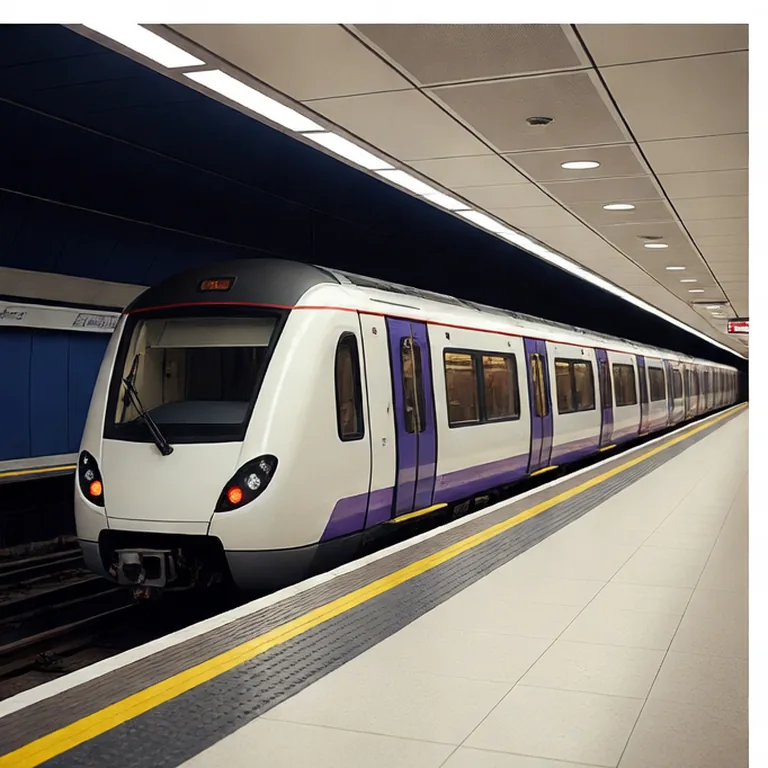
The Elizabeth line crosses central London and connects western and eastern corridors. Not every train continues to the same terminus or serves every branch. Confirm the advertised destination, especially when travelling towards Heathrow or outer stations, and check the precise section in TfL's planner rather than assuming every departure follows the full line.
Overground has six individually named and coloured lines following its 2024 reorganisation: Lioness, Mildmay, Windrush, Weaver, Suffragette and Liberty. The collective Overground identity remains, but looking for a single orange line is no longer enough. Learn the particular name shown on signs and service notices for your intended journey.
DLR is particularly useful for Docklands, Greenwich and London City Airport, but its branches require checking the train's destination. At stations without barriers, you must still find the yellow readers and touch in and out. An open platform does not mean free travel or remove your responsibility to pay the correct fare.
Understand the route
Mildmay links the Richmond and Clapham Junction corridor with Stratford; Windrush serves the axis from Highbury & Islington towards several southern destinations. Lioness is the Euston–Watford Junction corridor, Weaver covers Liverpool Street routes towards Chingford, Enfield Town and Cheshunt, Suffragette connects Gospel Oak with Barking Riverside, and Liberty links Romford and Upminster. These names help interpret notices, but do not promise a direct train between any two stations along a corridor. Check the calling pattern and actual destination rather than assuming every branch works as one continuous service.
- Check the exact stations and direction with TfL before leaving.
Choose a useful connection
Integrated payment does not mean identical coverage. Oyster is not accepted at Elizabeth line stations between Iver and Reading; contactless can cover journeys where Oyster is unavailable. Heathrow has specific fare rules, and outer trips should be checked by station and operator. Do not assume a central-zone ticket covers every extremity of these networks. Use Single Fare Finder for the cost and compare current caps, instead of extending the price of an ordinary sightseeing journey to an airport transfer or a longer excursion beyond the familiar London zones.
- Check the exact stations and direction with TfL before leaving.
Check and travel
For accessibility, TfL states that all DLR stations are step-free and all 41 Elizabeth line stations have step-free access from street to platform. The latter does not mean level boarding everywhere: some locations require a ramp because of the gap or step. Check Underground connections and lift status too. A modern station can connect with older, less accessible platforms. Save an alternative and check each network separately during engineering work, because one operating component does not guarantee that every part of your planned journey is available that day.
- Check the exact stations and direction with TfL before leaving.