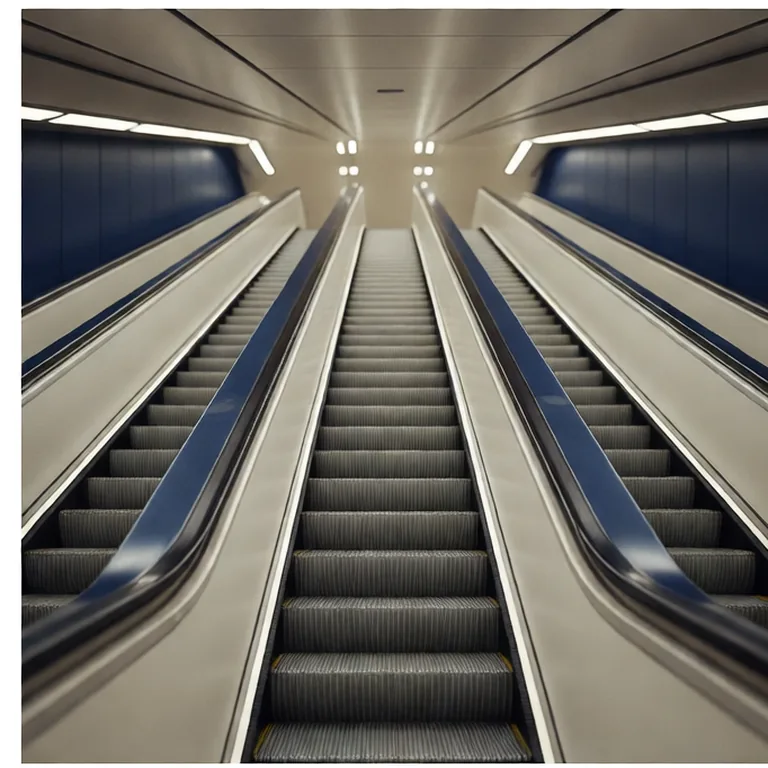
An interchange is part of the journey, not an instant between two trains. It may involve long corridors, lifts, stairs and another wait. When choosing a route, consider the effort of changing as well as the advertised travel time. For families or luggage, a straightforward connection often matters more than saving one stop.
Follow signs for the line name, then the direction or destination. Exit signs are not necessarily the way to your next train. When a connection stays inside the paid area, continue towards the new platform; where the route requires leaving, follow the instructions and validate at the appropriate readers or gates.
Some connections involve walking along the street between stations. Not every walk between nearby stations is a recognised fare interchange, and the permitted connection time can matter. Use the route TfL provides for your travel date and ask staff before improvising an exit when you want to preserve a particular connection.
Pink readers record certain routes that avoid Zone 1. Touch them when changing trains where the official route requires it; they do not replace yellow entry and exit readers. Consult Single Fare Finder to see whether your journey needs that validation, rather than assuming every reader you pass serves the same purpose.
Understand the route
Before setting off, write a simple sequence: starting station, line, direction, interchange and final station. In a large station, first find the line name rather than a platform number remembered from a previous day. Engineering work can change entrances and platforms. Let passengers leave the train before boarding and step aside when consulting your phone. If you miss a frequent connection, waiting for another train is usually wiser than running down stairs or forcing doors that have already begun to close during a busy interchange.
- Check the exact stations and direction with TfL before leaving.
Choose a useful connection
Compare alternatives across the whole journey. Changing within one station can involve more walking than moving between two nearby stations. At Paddington or Liverpool Street, a shared name does not turn every platform into one compact point. With restricted mobility, check whether the connection between your particular lines is step-free and whether it involves going outside. Do not infer full accessibility from a symbol next to the station name: it may describe only some facilities or a specific entrance, not every platform and every possible transfer within the complex.
- Check the exact stations and direction with TfL before leaving.
Check and travel
Keep the same payment medium throughout and touch in and out even when gates stand open. If TfL's route includes an exit and re-entry, do not switch from phone to physical card during the connection. For late returns, check the last trains on both lines and save an alternative for closures or lift failures. If you make a mistake, seek help before repeatedly exiting and re-entering: leaving through the same station can create a specific same-station charge rather than cancelling your journey free of charge, so ask before experimenting with the readers.
- Check the exact stations and direction with TfL before leaving.