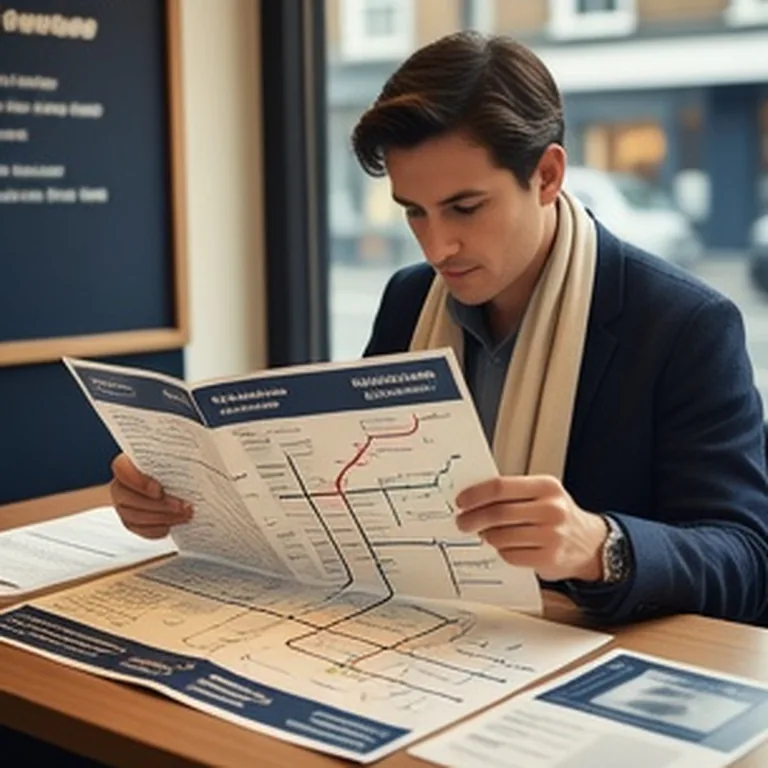
A simple weekday journey may need a different route on Saturday or Sunday. Engineering work can affect particular sections, changes, operating hours or station entrances. This page explains how to check it; it is not a live service bulletin or a permanent list of closures applying to every weekend.
Consult the official TfL status page and select your actual travel day. Reading today’s status does not answer a question about a journey two weeks away. Identify the line, affected section and direction; a partial suspension does not necessarily mean that the entire line stops operating across London.
Then enter exact origins and destinations in the journey planner with the intended date and time. Test the return too, particularly after theatre, concerts or dinner. A useful morning alternative may not work at night when the last connecting train leaves before the final departure on the first line.
With an outer hotel, the closed section may sit precisely between your neighbourhood and the alternative network. Do not assume changing in the centre solves everything. Check from the accommodation door and consider local buses, accessibility and luggage; the backup route has to work for the whole travelling group.
Understand the extent without overreacting
Distinguish delays, reduced services, a station closure and suspension of a section. Check whether trains pass without stopping or whether you need to leave the line earlier. At a major interchange another line may still run even if the path between platforms changes. Do not turn a temporary notice into a general claim about a neighbourhood, or publish replacement timetables without checking their date and responsible operator.
- Write down the affected section’s boundary stations.
- Read the full official notice, not just its heading.
Build a practical backup
The alternative need not be the fastest: fewer changes or avoiding stairs may matter more. A replacement bus does not automatically reproduce every advantage of the railway and may depart from a different stop. Find its boarding location before walking there with suitcases. For an airport journey or timed attraction, add a wider buffer and check the relevant railway operator’s own instructions as well as TfL information.
- Save a second route that everyone can actually use.
- Never promise a fixed replacement-bus journey duration.
Recheck and rearrange the day
Review notices when booking accommodation, before travelling and on the day itself. Group attractions geographically to reduce repeated crossings of the affected section; swapping a museum day and an outdoor day may help. If a connection is uncertain, reduce activities rather than chaining tight reservations together. Keep the hotel address and a meeting point available in case your group becomes separated during a diversion.
- Check the return before leaving in the morning.
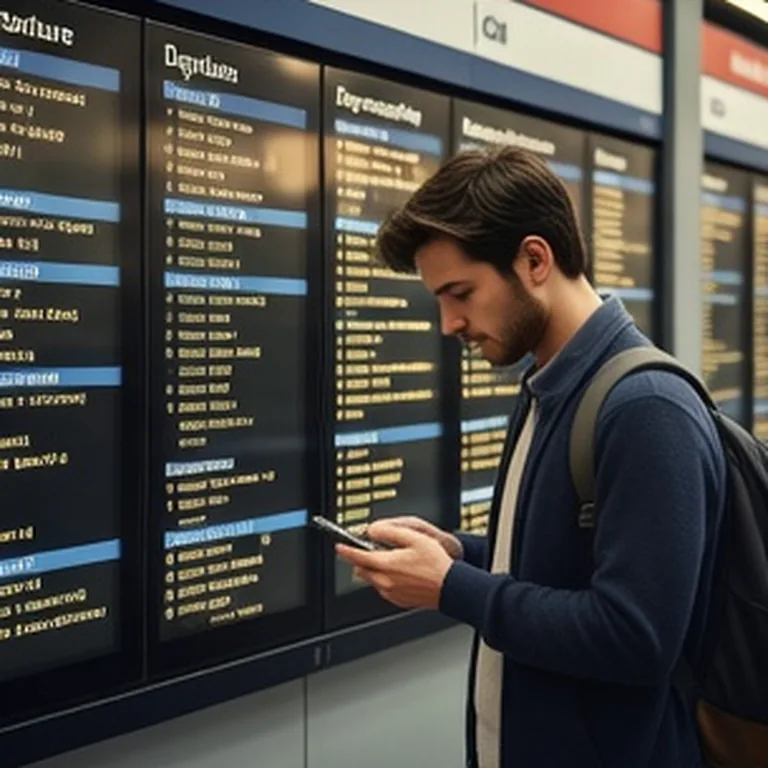
- Ask staff if signs contradict an old screenshot.