Contactless pays for journeys with a compatible bank card or device, whereas Oyster uses credit that you load in advance. Both can be practical for a short London visit. Your best choice depends on any eligible discounts, your bank's overseas charges and the specific stations you intend to use.
Every fare-paying passenger needs a separate card or device for the journey. Two people cannot share one Oyster card on the same trip. Even when travellers share a bank account, each should keep a separate payment medium and use it consistently throughout their own journeys rather than passing it around.
A physical card, phone and watch are different payment identities to TfL, even when linked to one bank account. Touching in with your phone and out with your card can create two incomplete journeys. Use the same medium across the day as well, so eligible fares accumulate towards the same cap.
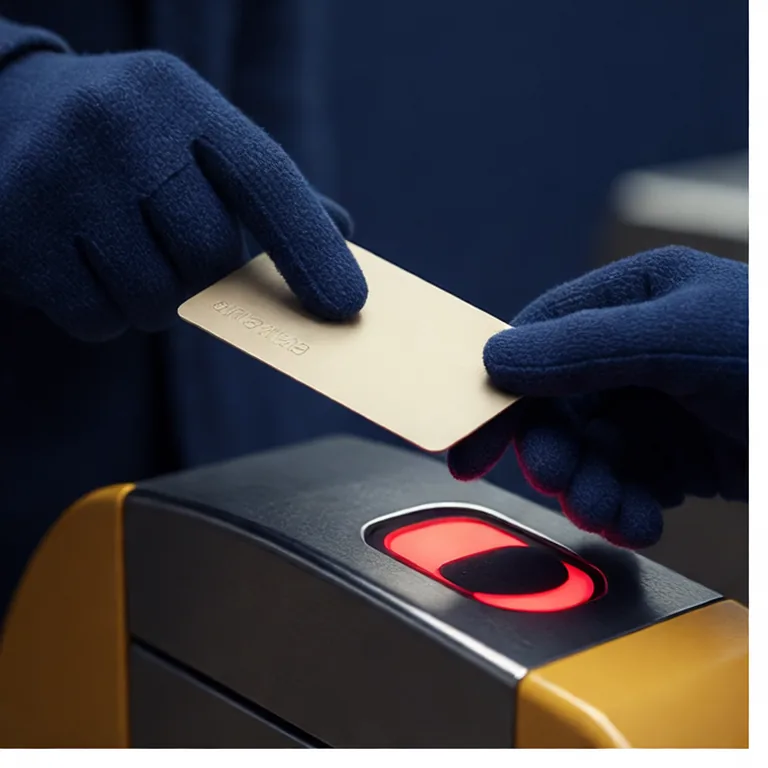
On the Tube, DLR, Overground and Elizabeth line, touch in and touch out, including when barriers stand open. On buses, touch in only when boarding. At stations without gates, find the freestanding yellow reader before boarding your train or leaving the station; an open entrance does not mean free travel.
Plan your journey
When choosing, compare the cost of obtaining Oyster with your bank card's conditions. Many overseas cards work, but not all, and issuers may charge foreign transaction fees. Oyster needs sufficient credit; a phone needs enough battery and must remain available throughout the journey. Carrying a backup is sensible for problems, but switching payment media partway through a day separates the fares counted towards capping. Child concessions are not automatically applied simply because a child's journey is paid with a bank card.
- Check the exact journey in the official planner before travelling.
Decisions that matter
Remove your chosen card from your wallet to avoid card clash. Wait for the reader's confirmation before walking through the gate and avoid repeated taps out of uncertainty. Ask staff for help and use a wide gate when appropriate. An incomplete journey can attract a maximum fare that does not count towards capping. Check your official journey history and seek a review if equipment failure prevented correct validation, rather than assuming every provisional bank entry represents the final settled travel charge.
- Check the exact journey in the official planner before travelling.
Before setting off
Check geographical limits before booking excursions or airport transfers. Oyster is not accepted at Elizabeth line stations between Iver and Reading, while contactless has different coverage. A train appearing on a London map does not guarantee that every payment method works to its destination. Look up the exact two stations in the official fare finder, check the operator and keep the same payment medium until you complete the exit. Never assume that every London airport accepts Oyster or that an airport fare is included in an ordinary central London cap.
- Check the exact journey in the official planner before travelling.